
Wellness
Benefits of Kundalini Yoga and How to Practice It
2024-09-15
4 min read

2024-08-19 • 3 min read
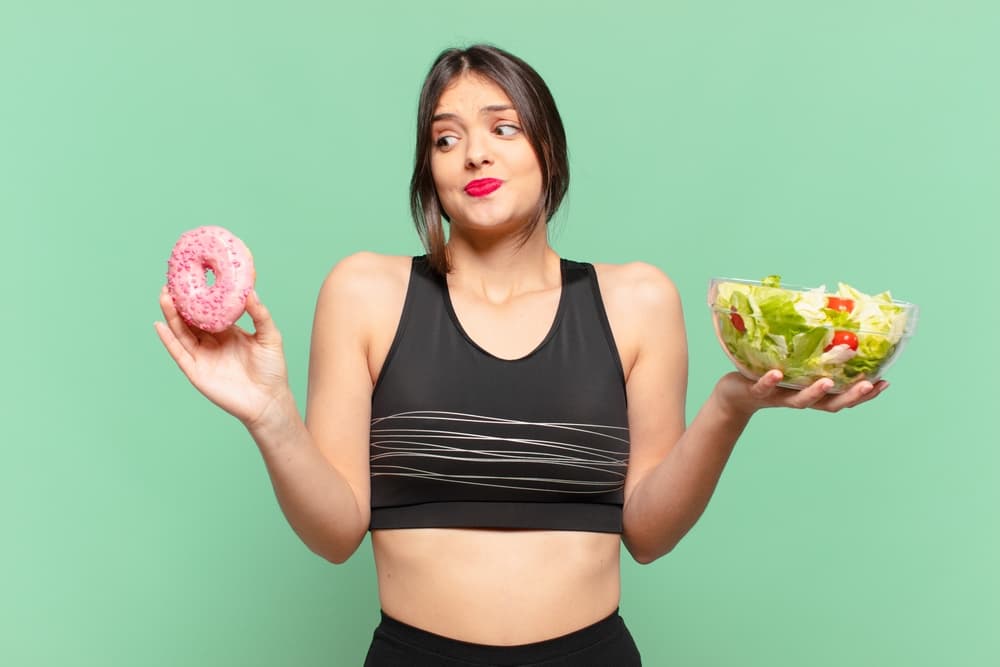
We’ve all been there—you’ve just enjoyed a greasy, indulgent meal, and while it was delicious, now you’re feeling sluggish, bloated, and uncomfortable. Don’t let the guilt take over. There are plenty of ways to help your body bounce back after a heavy, oily feast. Let’s explore some wellness products and natural solutions that can help you detox and feel better quickly.
One of the simplest yet most effective ways to detox after eating oily food is to stay hydrated. Drinking plenty of water helps flush out toxins, aids digestion, and keeps your body functioning smoothly. When you consume oily foods, your body needs extra water to help break down the fats and oils. Sip on plain water throughout the day to stay hydrated.
For an added boost, try drinking warm water. Warm water can aid digestion and help dissolve fats faster. You can enhance its benefits by adding a teaspoon of ajwain (carom seeds) or saunf (fennel seeds) to a liter of warm water and sipping it throughout the day. These ingredients are known for their digestive properties and can help reduce bloating and discomfort.
Digestive enzymes play a crucial role in breaking down the food we eat, particularly fats and oils. After indulging in a heavy meal, your body might need some extra help to digest all that rich food. Incorporating natural digestive enzymes into your diet can reduce bloating and alleviate discomfort.
Certain fruits are naturally rich in digestive enzymes, such as pineapples, papaya, and kiwi. These fruits contain bromelain, papain, and actinidin, respectively—enzymes that aid in the digestion of proteins and fats. Eating these fruits after a heavy meal can support your digestive system and help you feel better faster.
Detox diets can be challenging to follow, but you can incorporate small habits into your routine to help your body detox naturally. One simple and effective option is to use detox candy. These candies are designed to support your body’s detoxification processes, particularly liver health.
Liver health supplements, such as those found in detox candies, can help your liver process and eliminate toxins more efficiently. These wellness products are an easy and convenient way to support your body after a heavy meal, helping you feel lighter and more energized.
After a heavy meal, it’s a good idea to get moving. Gentle physical activity, like walking, can prevent fat accumulation and unwanted weight gain. Walking helps stimulate digestion by increasing blood flow and promoting the movement of food through your digestive tract.
However, it’s important to wait at least two hours after eating before engaging in exercise. This allows your body to focus on digestion without diverting blood flow away from your digestive system. A 20-30 minute brisk walk after your meal can help you feel less bloated and more comfortable.
Now that you’ve had your big meal, it’s time to give your body a break. For your next meal, choose something light and healthy to ease your digestive system. Fresh fruits, vegetables, salads, and whole grains are all great options that are easy to digest and gentle on your stomach.
Incorporating liver health supplements, like a detox candy, into your next meal can further support your body’s detoxification process. By choosing lighter, nutrient-dense foods, you can help your body recover more quickly and reduce the after-effects of an oily meal.
Fiber is crucial for maintaining smooth digestive function, especially after consuming a heavy, oily meal. Fiber helps regulate bowel movements, prevent constipation, and ensure that your digestive system runs smoothly.
After an oily meal, make sure to include plenty of fiber-rich foods in your diet. Leafy greens, legumes, whole grains, and fruits like apples and pears are excellent sources of fiber. By adding these foods to your diet, you can help your body eliminate waste more efficiently and reduce the discomfort that often follows a heavy meal.
Probiotics are your gut’s best friends. These beneficial bacteria help maintain a healthy balance of microorganisms in your digestive system, which is especially important after consuming oily or heavy foods. Probiotic-rich foods, such as yogurt, kefir, and fermented vegetables like sauerkraut and kimchi, can help soothe your digestion and prevent bloating.
Having a big bowl of yogurt after a heavy meal can be particularly soothing. The probiotics in yogurt will help restore the balance of your gut flora, support proper bowel movements, and reduce the likelihood of digestive discomfort. Additionally, there are many wellness products available that offer probiotic nutrients, making it easy to incorporate them into your daily routine.
Seasonal fruits and vegetables are packed with essential fiber, vitamins, and minerals that can help revive sluggish digestion. Fruits, in particular, are like solid rehydration toolkits, offering fluids and nutrients that keep your body hydrated and your digestive system functioning properly.
Aim to include 2-3 servings of seasonal fruits and vegetables in your diet each day to stay on track. Not only do these foods help detox your body, but they also provide the necessary nutrients to support overall health and well-being.
You know that heavy, foggy feeling after a plate of chole bhature or a late-night biryani? That's not just in your head. When you eat a large amount of oily or fried food, your digestive system has to work significantly harder than usual. The liver produces extra bile to break down the fat load, the stomach slows down its emptying rate, and blood gets redirected to the gut — which is why you feel sluggish and sometimes even a little light-headed.
On top of that, fried foods are usually low in fibre, which means digestion stalls. The result: bloating, heaviness, acid reflux in some people, and that general "I shouldn't have eaten that" feeling that can last hours.
The good news is your body is well-equipped to handle an occasional heavy meal. You just need to give it the right support — and none of it requires a dramatic cleanse.
Before there were detox teas and wellness supplements, Indian kitchens had jeera (cumin) and saunf (fennel). Both have been used in Ayurveda for centuries to ease post-meal heaviness, and there's solid reasoning behind why they work.
Cumin stimulates the secretion of pancreatic enzymes, which directly aids fat digestion. Fennel is a natural carminative — it relaxes the muscles of the gastrointestinal tract, releasing trapped gas and reducing that uncomfortable bloated feeling.
How to make jeera water: Add 1 teaspoon of cumin seeds to 2 cups of water, bring to a boil, simmer for 5 minutes, strain and drink warm.
How to make saunf tea: Add 1 teaspoon of fennel seeds in hot water for 10 minutes. Add a small piece of jaggery if you'd like a touch of sweetness. Drink slowly after your meal.
One of the most effective recovery strategies is simply what you eat in the 12–24 hours after an oily meal. This is where most people go wrong — they either skip meals (which disrupts gut rhythm) or reach for something equally heavy.
Your next meal should ideally include:
Moong dal or khichdi — easy to digest, gentle on the liver, provides protein without fat overload
Steamed or lightly cooked vegetables — easier on the gut than raw salads when digestion is already slow
Room-temperature curd — probiotic-rich, helps restore gut bacteria balance. Avoid chilled dahi straight from the fridge
Roti over rice if you're choosing a grain — the fibre in whole wheat helps move things along
What to avoid: more fried food, heavily spiced dishes, cold dairy, and processed snacks even if they feel "light."
High-fat meals — even a single heavy one — can temporarily shift your gut microbiome, suppressing beneficial bacteria. Probiotics help restore this balance, and India has some of the best natural probiotic traditions in the world.
Chaas (buttermilk) is easier to digest than full-fat curd, has a natural cooling effect on the gut, and is excellent after lunch on the day following a heavy meal.
Kanji — a fermented drink made from black carrots or beetroot, common in North India — is a traditional probiotic that also supports liver detox. It is tangy, slightly sour, and genuinely effective. If you haven't tried it, it is worth making at home during winter and spring months when black carrots are available.
Even a light breakfast of idli the morning after is a smart choice — the fermented batter creates beneficial bacteria during the fermentation process, making it easy on the gut while still nourishing.
This one rarely makes it into detox articles, but it matters significantly. The liver does its most active repair and detox work during the night. In Ayurveda, the window between 10 PM and 2 AM is considered the most important period for liver activity — and modern research broadly supports the idea that sleep is when the body processes its metabolic load most efficiently.
After a heavy meal, prioritise getting to bed at a reasonable time. Avoid staying up late snacking or drinking alcohol, which adds an additional burden to a liver already working overtime. Even 7–8 hours of quality sleep will do more for your recovery than most supplements.
Detox candy is formulated with ingredients that support your body’s natural detoxification processes, particularly those related to liver health. After consuming oily food, your liver works hard to process and eliminate toxins. Detox candy can provide additional support by offering liver health supplements in a convenient and tasty form, helping to alleviate bloating and discomfort.
It’s generally recommended to wait at least two hours after eating a heavy meal before engaging in exercise. This allows your body to focus on digestion without diverting blood flow away from your digestive system. After this period, light to moderate physical activity, such as a brisk walk, can help stimulate digestion and prevent fat accumulation.
Digestive enzymes are generally safe when taken as directed, particularly when sourced from natural foods like fruits. However, overuse of enzyme supplements can potentially lead to side effects such as nausea, diarrhea, or abdominal cramps. It’s best to consult with a healthcare provider before incorporating enzyme supplements into your daily routine, especially if you have underlying health conditions.
Indulging in a heavy meal sometimes is perfectly okay. The key is knowing how to support your body’s natural processes afterward. From staying hydrated and consuming digestive enzymes to having a detox candy, these simple steps can make a big difference in how you feel after eating oily food. By incorporating these tips and wellness products into your routine, you’ll be back to feeling your best in no time. Remember, it’s all about balance—enjoy your meals and take care of your body!
Share this article:
| Remedy | Type | How It helps |
|---|---|---|
| Ajwain water | Relieves gas, stimulates digestive juices | Immediate bloating relief |
| Jeera water | Supports fat digestion, reduces nausea | Post-meal heaviness |
| Saunf tea | Carminative, reduces cramping | Gas and discomfort |
| Papaya / Pineapple | Digestive enzymes — papain and bromelain | Fat and protein breakdown |
| Chaas / Dahi | Restores gut bacteria balance | Gut recovery |
| Herbal detox supplement | Liver support, bile production | Ongoing liver health |
Rejuvenating blend of herbal ingredients for your liver detox.

₹559.00
₹449.00
A herbal dose of complete wellness

₹439.00

