
Sharp pain in finger joint when pressed
2026-04-16 • 5 min read
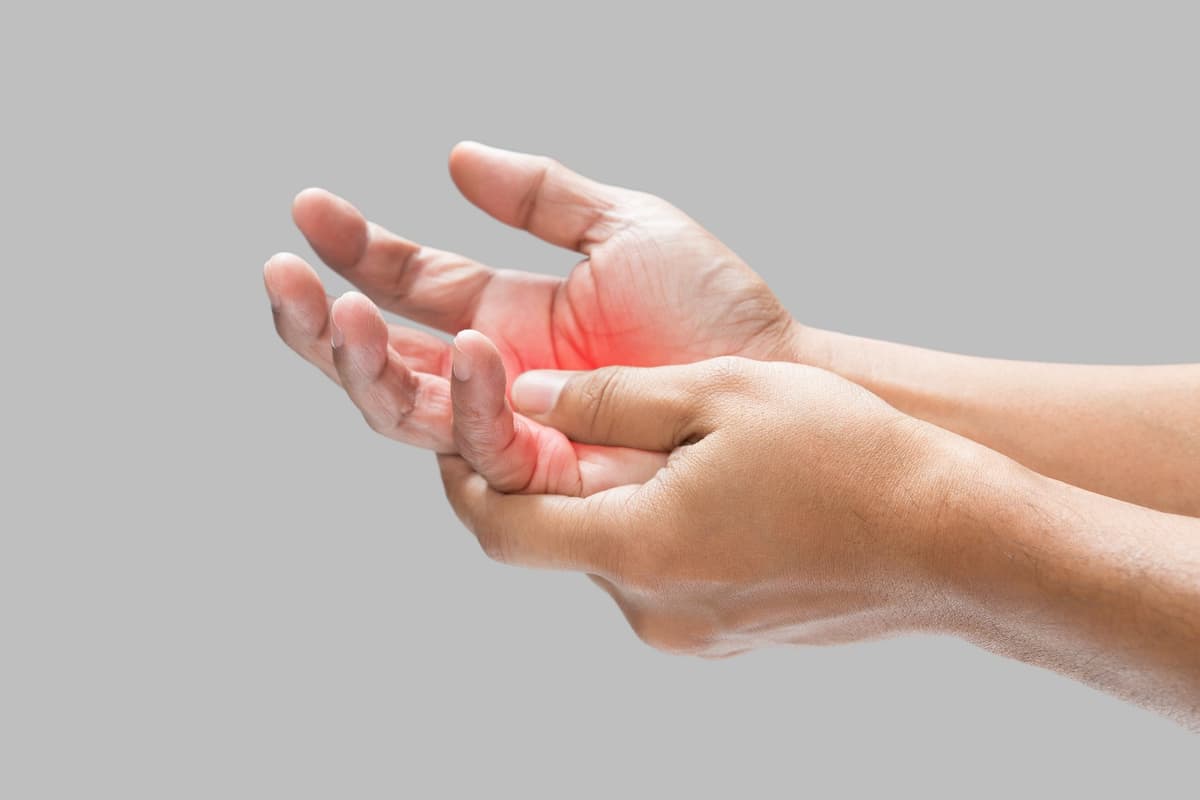
Sharp pain in a finger joint when pressed can stem from several causes, including osteoarthritis, rheumatoid arthritis, gout (elevated uric acid), trigger finger, tendonitis, or even a hairline fracture. In women, hormonal shifts can accelerate joint cartilage breakdown, while repetitive activities like typing or gripping put constant mechanical stress on the knuckle joints. Identifying the root cause is the first step toward lasting knuckle joint relief—and the good news is that most causes respond well to a combination of targeted care, lifestyle changes, and plant-based support.
Introduction
That sharp, jolting pain in finger joints when you press a doorbell, grip a jar, or even scroll your phone—it’s more than a minor annoyance. For millions of people, finger joint discomfort is the first red flag of conditions ranging from arthritis and gout to simple overuse injuries. And if you’ve felt a mysterious ache deep in a knuckle joint, you’re certainly not alone.
Your hands perform thousands of micro-movements every day, and each finger joint is an intricate system of cartilage, tendons, ligaments, and synovial fluid working in concert. When any part of that system is inflamed, worn, or damaged, the result is pain that can range from a dull background throb to a sharp sting that stops you mid-task.
This guide breaks down every major cause of finger joint pain, helps you match your symptoms to the most likely culprit, and equips you with actionable steps—including holistic, Ayurvedic approaches—to find meaningful knuckle joint relief starting today.
The Anatomy of Your Finger Joints
Before exploring causes, a quick anatomy primer helps you understand where pain originates and why certain conditions target specific joints.
•DIP joints (distal interphalangeal): The joints closest to your fingertips. Commonly affected by osteoarthritis (Heberden’s nodes).
•PIP joints (proximal interphalangeal): The middle joints. Targeted by both osteoarthritis (Bouchard’s nodes) and rheumatoid arthritis.
•MCP joints (metacarpophalangeal): Your knuckles, where fingers meet the hand. Rheumatoid arthritis and gout frequently strike here.
•CMC joint of the thumb: The base-of-thumb joint. Extremely common site for osteoarthritis in women over 50.
Each of these joints is lined with articular cartilage and surrounded by a synovial membrane that produces lubricating fluid. Damage to the cartilage, inflammation of the membrane, or irritation of the surrounding tendons will produce pain—especially when the joint is pressed or loaded.
Top 8 Causes of Pain in Finger Joints
Osteoarthritis (OA)
The most widespread cause of chronic finger joint pain, osteoarthritis occurs when the protective cartilage at the ends of bones gradually wears away. The DIP and PIP joints are classic targets. Over time, bony enlargements called Heberden’s and Bouchard’s nodes form, making the joints stiff, tender, and visibly knobbly. Women are disproportionately affected, especially after menopause, when declining estrogen accelerates cartilage breakdown. If you’re also dealing with back pain alongside finger stiffness, the underlying inflammatory process may be systemic.
Rheumatoid Arthritis (RA)
RA is an autoimmune condition in which the body’s immune system attacks the synovial lining of joints, causing chronic inflammation, swelling, and eventual joint deformity. It characteristically affects the MCP (knuckle) and PIP joints symmetrically—meaning both hands are involved at the same time. Morning stiffness lasting more than 30 minutes is a hallmark. RA affects women two to three times more often than men.
Gout and High Uric Acid
Gout occurs when excess uric acid in the blood crystallizes inside joints, triggering sudden, excruciating pain, redness, and swelling. While the big toe is the classic site, gout can absolutely strike finger joints and knuckles. Purine-rich diets, alcohol, obesity, and kidney dysfunction all raise uric acid levels. Left unchecked, chronic gout causes permanent joint damage.
Trigger Finger (Stenosing Tenosynovitis)
Trigger finger happens when the tendon sheath that encases a finger’s flexor tendon becomes inflamed and narrowed. The tendon catches as it passes through, causing the finger to lock in a bent position and then snap straight. It’s more common in women, people with diabetes, and those who perform repetitive gripping tasks.
Tendonitis and Overuse Strain
Hours of typing, gaming, scrolling, or any repetitive hand motion can inflame the tendons that run along the back and sides of the fingers. The pain is typically dull, worsens with use, and improves with rest. This is a leading cause of knuckle joint pain in younger adults and remote workers. Ergonomic adjustments and regular hand stretches are the primary countermeasures.
Carpal Tunnel Syndrome
While carpal tunnel primarily compresses the median nerve at the wrist, its symptoms radiate into the thumb, index, and middle fingers as numbness, tingling, and aching. Over time, grip strength weakens. It’s closely linked to repetitive wrist motions and hormonal swelling during pregnancy. If you’re experiencing shoulder or frozen-shoulder issues alongside hand symptoms, the nerve pathway from cervical spine to hand may be involved.
Ganglion Cysts
These non-cancerous, fluid-filled lumps typically form along tendons or joints near the wrist and fingers. They can press on nearby nerves, causing a dull ache or sharp pain when the joint is pressed. Most ganglion cysts are harmless and sometimes resolve on their own, but persistent or painful cysts may need aspiration or surgical removal.
Fractures and Acute Injuries
A jammed, sprained, or fractured finger can produce sharp pain in the affected joint, especially under pressure. Even hairline fractures—often dismissed as “just a bruise”—can cause lingering pain if untreated. Swelling, bruising, and limited range of motion are typical. If pain after an injury persists beyond 48 hours, get an X-ray.
Symptoms Comparison: Pinpoint Your Condition
Matching your specific symptoms to the right condition helps you and your healthcare provider choose the most effective treatment path. Use this table as a quick diagnostic reference:
The Science Behind Finger Joint Pain
Finger joints are small, but the biochemistry driving their pain is no different from larger joints. Inflammatory mediators—prostaglandins, cytokines, and leukotrienes—flood the joint space when cartilage is damaged or the synovial membrane is irritated. These chemicals sensitize nerve endings, amplify pain signals, and trigger swelling.
In osteoarthritis, cartilage slowly loses proteoglycans (the molecules that keep it hydrated and shock-absorbing). As cartilage thins, bone-on-bone contact begins, producing the grinding sensation and sharp pain on pressure that so many people describe. In rheumatoid arthritis, the immune system drives chronic synovitis—persistent inflammation of the joint lining—that erodes both cartilage and bone from within.
Gout adds another layer. When serum uric acid exceeds its solubility threshold (roughly 6.8 mg/dL), monosodium urate crystals precipitate inside the joint. Immune cells rush in to engulf these crystals, releasing a cascade of inflammatory mediators that cause the sudden, severe pain characteristic of a gout flare.
Understanding these pathways matters because effective treatment targets the specific mechanism: anti-inflammatory support for arthritis, uric acid reduction for gout, and tendon rest plus ergonomic correction for overuse injuries.
How to Get Knuckle Joint Relief: Practical Steps You Can Take Today
Rest and Protect the Joint
If a specific activity triggers your pain, reduce or modify it. Use ergonomic keyboards, adjust your phone grip, and take microbreaks every 30 minutes during repetitive hand tasks.
Gentle Hand Exercises
Finger stretches, tendon glides, and grip-strengthening exercises help maintain range of motion and support the muscles surrounding your joints. A simple daily routine of making a fist, spreading your fingers wide, and touching each fingertip to your thumb can make a meaningful difference over weeks.
Anti-Inflammatory Nutrition
Prioritize omega-3 fatty acids (from fish, flaxseed, or walnuts), turmeric, ginger, and leafy greens. If uric acid is a concern, limit red meat, organ meats, shellfish, and alcohol—especially beer. Staying well-hydrated helps the kidneys flush excess uric acid more effectively.
Topical Herbal Support
For targeted, on-the-spot comfort, topical plant-based formulations can deliver active herbal compounds directly to the affected knuckle joint. Reset Ultra Potent Gel harnesses advanced nanotechnology with concentrated Wintergreen, Menthol, Eucalyptus Globulus, Nirgundi, Kapoor (Camphor), Boswellia (Shallaki), and Ajmoda (Celery seed) for 2X potency compared to standard gels. Its nano-particle formulation ensures rapid, deep absorption right at the source of pain.
For a convenient roll-on option, Reset Easy-to-Rub Emulsion combines Wintergreen, Menthol, Eucalyptus Globulus, Nirgundi, Boswellia, and Celery in a smooth, preservative-free formula. Its roll-on design makes it especially easy to apply directly over small finger joints and knuckles without mess.
Manage Your Weight and Metabolic Health
While finger joints aren’t weight-bearing in the traditional sense, systemic inflammation from obesity and metabolic syndrome (including elevated uric acid) affects every joint in the body. Even modest weight management supports overall joint health and reduces circulating inflammatory markers.
Address Cervical and Upper-Body Tension
Pain in the fingers can sometimes originate from nerve compression higher up—in the cervical spine or shoulder. If you’re experiencing hand pain alongside neck stiffness, exploring Ayurvedic treatment for cervical spondylosis may address a root cause that’s being overlooked.
Ayurvedic vs. Allopathic Approaches to Finger Joint Pain
Both traditions offer valuable tools. The best outcomes often come from combining the strengths of each approach:
Many people find that using a topical herbal formulation like Reset Ultra Potent Gel for daily management, while reserving conventional anti-inflammatories for acute flare-ups, strikes an effective balance. If finger joint pain accompanies broader discomfort—headaches, stomach pain, or period pain—it may point to systemic inflammation that holistic care can address across multiple pain points.
When to See a Doctor
While many cases of finger joint pain respond well to self-care and herbal support, certain signs warrant professional evaluation:
•Persistent swelling, redness, or warmth in multiple joints lasting more than two weeks.
•Morning stiffness in the fingers that lasts longer than 30 minutes.
•Sudden, severe pain in a single joint (possible gout flare or infection).
•Visible joint deformity, nodules, or fingers drifting to one side.
•Numbness or tingling that doesn’t resolve with rest.
•Pain following an injury that worsens or doesn’t improve within 48 hours.
•Fever accompanying joint pain (this may indicate septic arthritis, a medical emergency).
Frequently Asked Questions
Why does my left hand hurt?
Left hand pain that isn’t linked to a specific injury can stem from several causes. Osteoarthritis and rheumatoid arthritis commonly affect both hands but may feel more prominent in the hand you use less, because those joints are stiffer from underuse. Carpal tunnel syndrome, trigger finger, and tendonitis can also cause isolated left-hand pain, especially if your left hand performs repetitive supporting tasks (holding a phone, stabilizing objects). In rare cases, sudden left-hand pain accompanied by chest tightness, shortness of breath, or jaw pain should be treated as a cardiac emergency—seek immediate medical help.
Why do my finger joints hurt all of a sudden?
Sudden onset finger joint pain is most commonly caused by a gout flare (uric acid crystal deposition), an acute injury you may not have noticed, reactive arthritis triggered by a recent infection, or a sudden exacerbation of underlying rheumatoid arthritis. Viral infections, including certain flu strains and COVID-19, can also cause transient joint pain. If the pain is in a single joint with redness and heat, gout or infection should be ruled out. If multiple joints are involved, an autoimmune or viral cause is more likely.
What level of uric acid is dangerous?
Uric acid becomes clinically significant when it exceeds the saturation point at which crystals can form—roughly 6.8 mg/dL. However, the risk of gout and joint damage rises substantially when levels consistently exceed 7.0 mg/dL in men and 6.0 mg/dL in women. Levels above 8.0 mg/dL in men or 7.0 mg/dL in women are considered high-risk, and most rheumatologists aim to bring gout patients below 6.0 mg/dL with treatment. Very high levels (>10 mg/dL) also increase the risk of uric acid kidney stones. Here’s a quick reference:
How to reduce uric acid?
Lowering uric acid involves both dietary and lifestyle adjustments. Reduce purine-rich foods: limit red meat, organ meats, shellfish, sardines, and anchovies. Cut back on alcohol, especially beer and spirits. Minimize sugary beverages and foods high in fructose. Increase water intake to help your kidneys flush uric acid more effectively. Eat more cherries, low-fat dairy, and vitamin C-rich fruits, which have been associated with lower uric acid levels. Maintain a healthy weight—rapid weight loss can temporarily spike uric acid, so aim for gradual change. If lifestyle modifications aren’t sufficient, your doctor may prescribe medications such as allopurinol or febuxostat that reduce uric acid production.
What is the normal uric acid range?
Normal uric acid levels vary slightly by laboratory, but widely accepted reference ranges are 3.4–7.0 mg/dL for men and 2.4–6.0 mg/dL for women. After menopause, women’s levels tend to rise and approach those of men. For people being treated for gout, the therapeutic target is typically below 6.0 mg/dL, and in severe cases, doctors may aim for below 5.0 mg/dL. A single blood test can measure your serum uric acid level, and regular monitoring is recommended if you have a history of gout or kidney stones.
Golden Rules for Healthy Finger Joints
🌿 Golden Rules for Finger Joint Health
Take microbreaks every 30 minutes during repetitive hand tasks—stretch, shake, and flex your fingers.
Strengthen your grip gradually: use a stress ball or therapy putty a few minutes daily.
Eat anti-inflammatory: omega-3s, turmeric, ginger, and leafy greens are your joints’ best friends.
Stay hydrated: water helps flush uric acid and keeps synovial fluid flowing.
Apply topical herbal support at the first sign of discomfort—don’t wait for the pain to peak.
Listen to your hands: persistent pain, swelling, or stiffness lasting more than two weeks needs professional evaluation.
Manage stress and sleep: chronic stress elevates inflammatory markers that affect every joint in your body.
Related Reads from Reset
Continue exploring holistic wellness and targeted relief with these in-depth guides:
• Best Ayurvedic Treatment for Cervical Spondylosis
• Which Oil Is Best for Teeth Pain
• Abdominal and Stomach Pain Guide
• Ayurvedic Medicine for Headache
• Best Ayurvedic Remedies for Period Pain
• What Causes Frozen Shoulder: Signs, Stages, and Recovery Guide
Final Thoughts
Pain in your finger joints or a swollen, aching knuckle joint doesn’t have to dictate your daily life. Whether the culprit is arthritis, elevated uric acid, an overuse injury, or something else entirely, the path to relief begins with understanding the specific cause—and acting on it.
Combine smart ergonomics and anti-inflammatory nutrition with targeted herbal support like Reset Ultra Potent Gel or the convenient Reset Easy-to-Rub Emulsion, and you’re giving your finger joints the comprehensive care they deserve—naturally, effectively, and without harsh chemicals.
Your hands do everything for you. It’s time to do something for them.
Explore the full range of Reset wellness products designed to support your journey toward natural, plant-based comfort.
Share this article: